Daycare background check requirements
Background checks are the closest thing American child care has to a national standard, and they are the item most likely to delay an opening. Here is what they cover and why they take so long.
The one federal floor
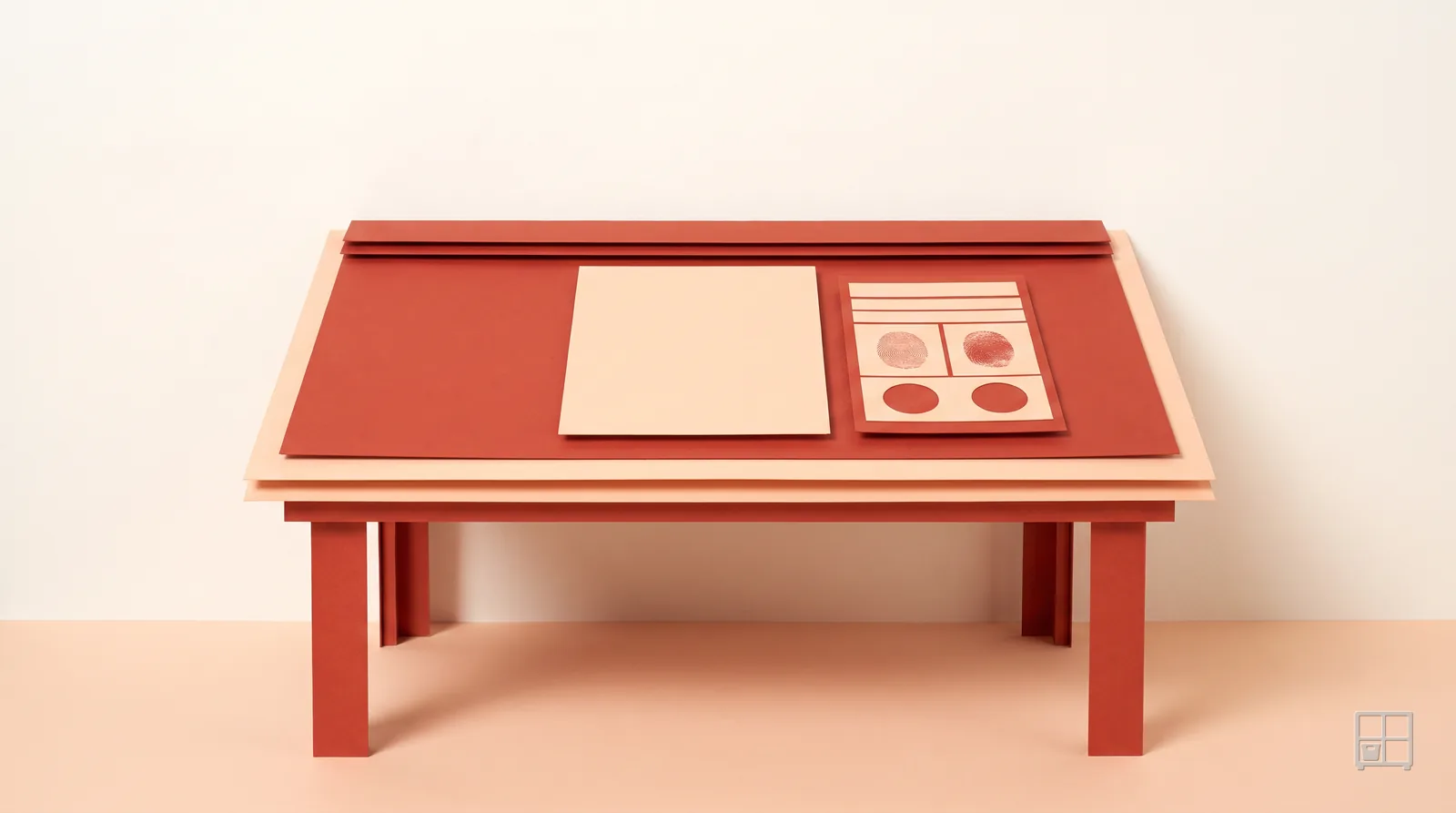
Child care licensing is a state matter almost everywhere it touches, with one substantial exception: background checks. A state that administers Child Care and Development Fund money has to require checks set in federal regulation (45 CFR 98.43) for the staff of every licensed, regulated or registered provider, plus any provider eligible for CCDF payments.
That makes background checks the nearest thing to a national standard in US child care. States can and do go further, but they cannot go below that federal floor.
The practical consequence for a provider is that the checks are multi-source and interstate, which is exactly why they are slow.
Who gets checked
Staff, obviously — every employee with unsupervised access to children, and in practice every employee. Volunteers who are regularly present. Contractors who work during care hours.
In a home program, the household. Federal rules cover everyone aged 18 or over who lives in the home, and in many states anyone regularly present in the home during care hours. This is the part that surprises family child care applicants most.
Check whether your state requires the full check before employment starts or permits supervised work while it is pending. The federal floor lets a new hire start once either the FBI fingerprint check or the criminal check in their home state has cleared, supervised at all times by someone with a qualifying check, until the rest come back. The answer changes how you hire, and getting it wrong is a licensing violation rather than an administrative slip.
Licensing requirement
Pending is not cleared
Where a state allows supervised work while a check is pending, "supervised" has a specific meaning and it is not "in the building". Read the definition before you rely on it, and document the supervision.
What is checked
The federal list is a fingerprint-based FBI check, a search of the National Sex Offender Registry, and — in the state where the person lives and every state they lived in during the past five years — the state criminal records, the state sex offender registry and the state child abuse and neglect registry.
That last element is what makes the timeline unpredictable. An applicant who has lived in three states in five years triggers three sets of interstate requests, and each one runs at its own state's pace.
Ask on the application form where someone has lived. Not to screen them out, but so you can start the slow requests on day one instead of week three.
- State criminal history, fingerprint-based.
- FBI criminal history, fingerprint-based.
- State child abuse and neglect registry.
- National and state sex offender registries.
- The same state searches in every state lived in during the past five years.
Planning around the wait
Submit for everyone the week you begin the licensing process, not when the building is ready. Federal rules give the state up to 45 days from your request to return results, and the checks are the item most likely to be outstanding when everything else is done.
Budget for them: fingerprinting carries a fee per person (federal rules cap state processing fees at actual cost), and paying it for applicants rather than asking them to is both a recruitment advantage and a small cost. Say so in the job posting. The fee is one line in the full cost of staff turnover, next to training hours and overtime cover.
Then schedule the re-check cycle. Federal rules require a re-check at least once every five years, so find out whether your state runs a shorter cycle, and remember that a lapsed check on a current employee is a live compliance problem rather than a paperwork one.

Sources
- Child Care Licensing — Childcare.govfetched 2026-10-18
- National Database of Child Care Licensing Regulations (HHS/ACF)fetched 2026-09-04
- 45 CFR 98.43 — Criminal background checks (eCFR)fetched 2026-10-18